

Signs of Lupus and How to Live Well in Panama City
Signs of lupus to watch for, how it's diagnosed and treated, and 7 simple tips for living well with lupus in sunny Panama City. Read on.
What causes fibromyalgia? Learn the signs, the likely causes and 5 simple ways to cope with pain, fatigue and fibro fog. Read our guide.
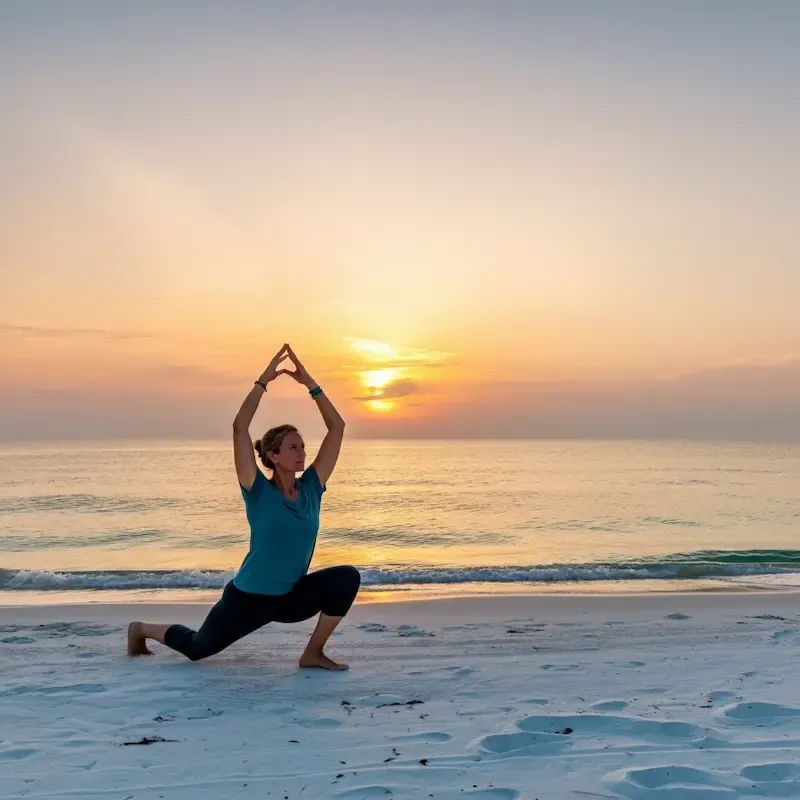
Living with fibromyalgia can mean a daily fight with pain, tiredness and other symptoms. In Panama City, FL, the right help can make a big difference. This guide explains what causes fibromyalgia, its signs and how to cope day to day. It’s for anyone who was just diagnosed or has lived with fibromyalgia for years.
Fibromyalgia is a long-lasting condition. It causes pain all over the body, tiredness, poor sleep and trouble thinking. It affects about 4 million adults in the United States. That’s about 2 out of every 100 people, according to the National Institute of Arthritis and Musculoskeletal and Skin Diseases (NIAMS). Even so, many people don’t understand it, and it can take years to diagnose. People with fibromyalgia often hear, “But you don’t look sick.” That makes it even harder.
Symptoms are different for each person. However, they often include:
Each person has a different mix of symptoms. That’s why personal care matters so much. You can learn more from MedlinePlus or the NIAMS overview of fibromyalgia.
No one knows exactly what causes fibromyalgia. Researchers think it comes from a mix of genes, nerve changes and life events. Evidence shows that the brain and spinal cord handle pain signals differently in fibromyalgia. As a result, the body feels pain more strongly.
Other things that may play a part:
Knowing the likely causes can help you understand what’s happening in your body. It can also ease confusion and frustration.
Fibromyalgia can feel like a lot, especially while you juggle work, family and your own health. Luckily, Panama City has resources and a caring community to help.
One of the first and most important steps is finding the right provider. Our team at Bay Arthritis Institute treats fibromyalgia. We combine pain care, physical therapy and mental health support. We treat the whole person, not just the symptoms.
For more on our care, read about our fibromyalgia treatment in Panama City.
There is no cure yet. Still, many steps can ease symptoms and make daily life better. Start with these:
Deep sleep is key, but fibromyalgia often gets in the way. To sleep better:
Regular walking, swimming or gentle yoga can ease muscle pain and stiffness. Start slowly, and do more as you’re able. Panama City’s beautiful outdoors makes it easy to get moving.
Foods that fight swelling may help with pain. Good choices include omega-3 foods like fish and walnuts, vegetables and whole grains. Avoid sugary or highly processed foods, which may make tiredness worse.
Stress is a known trigger. Mindfulness, journaling or a creative hobby can help. If stress feels like too much, a counselor or support group can help.
Many people with fibromyalgia find relief from:
Long-term illness can feel lonely. Support groups help with that. Online and in-person groups let you share, learn and connect with people who understand. In Panama City, community centers and chronic illness groups may offer support too.
Research keeps teaching us more about fibromyalgia. For a deeper look, this NCBI summary covers recent findings on treatment.
Researchers are also testing new treatments, such as nerve stimulation and new kinds of talk therapy. Keeping up with this news can open new doors for your care.
Coping with fibromyalgia means learning, adjusting and speaking up for yourself over time. Local resources and healthy habits can help you take charge of your symptoms.
If fibromyalgia affects you or someone you love, help is here. Meet our care team to learn about care made for you. You can also read do you have fibromyalgia to check the common signs.
Fibromyalgia isn’t always easy. But with knowledge, support and a plan, you can live a full and balanced life.
Published by Bay Arthritis Institute on July 1, 2026. This article is general information, not medical advice. Please talk with your provider about your own care.
Signs of lupus to watch for, how it's diagnosed and treated, and 7 simple tips for living well with lupus in sunny Panama City. Read on.

Scleroderma causes and symptoms explained: the 2 main types, how it affects skin and organs, and simple tips for living well. Read our guide.
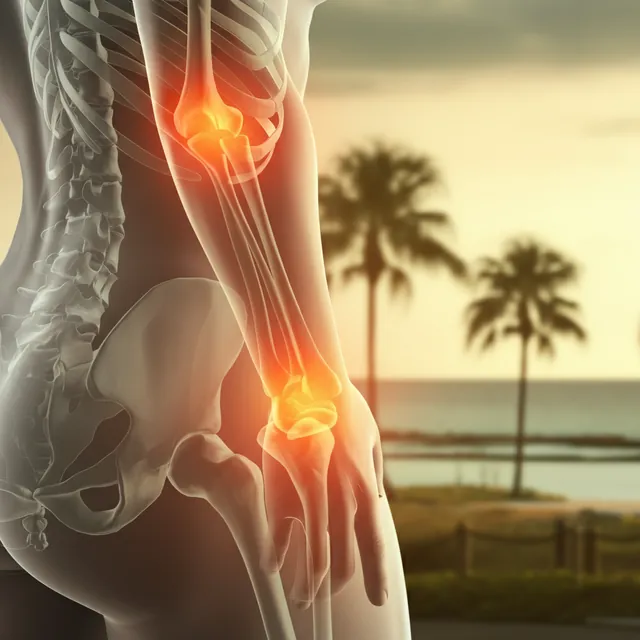
Psoriatic arthritis causes and symptoms explained: the skin-joint link, 4 risk factors and proven care from our expert rheumatologists.

Helping you overcome joint & muscle challenges to enjoy life fully.
Accessibility