

What Causes Fibromyalgia? Coping With Chronic Pain and Fatigue
What causes fibromyalgia? Learn the signs, the likely causes and 5 simple ways to cope with pain, fatigue and fibro fog. Read our guide.
Vasculitis symptoms and treatment explained: 3 common types, the warning signs by body area, how it's diagnosed and proven ways to treat it.
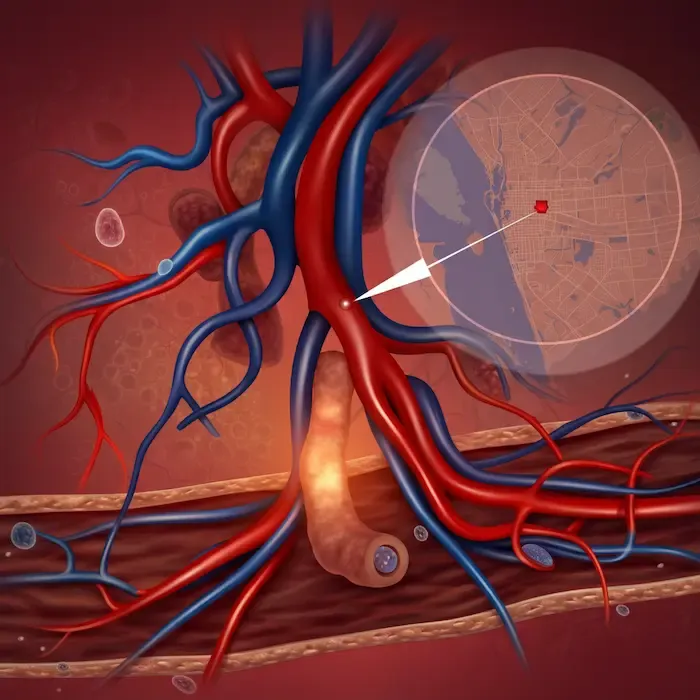
Vasculitis isn’t talked about much. Still, it can have a big effect on the people who have it. This guide explains vasculitis symptoms and treatment, and how doctors diagnose it. In Panama City, FL, expert care can make a big difference.
Whether you want answers for yourself or a loved one, this guide covers what you need to know.
Vasculitis means swelling of the blood vessels. It can affect arteries, veins or even tiny capillaries. When the vessel walls swell, they may thicken. This narrows the path for blood. Without treatment, it can damage tissue and organs. Vasculitis is not one disease. It’s a group of disorders that differ in how serious they are, their symptoms and the parts of the body they affect.
Some common types include:
The cause isn’t always clear. However, vasculitis is often linked to an immune system problem, infections, some medicines or another condition, like rheumatoid arthritis or lupus. To learn more, see this detailed resource.
Vasculitis can affect many parts of the body, so symptoms vary a lot. Some people get severe symptoms fast. Others notice slow changes. Watch for these key signs:
If you notice a mix of these symptoms, see a doctor right away. You can read more about symptoms at MedlinePlus.
Many other conditions share the same symptoms. So doctors need a full checkup and several tests to diagnose vasculitis.
First, your doctor takes a detailed medical history. Then they do a full exam to look for signs like rashes, sore joints or unusual vital signs.
Blood work can show high levels of swelling markers, such as CRP or ESR. Certain antibodies, like ANCA, may also point to some types of vasculitis.
Imaging gives a closer look at blood vessels and the organs they feed:
If tests point to vasculitis, your doctor may take a small sample of tissue or a blood vessel. This is called a biopsy, and it helps confirm the diagnosis.
You can learn more about how vasculitis is diagnosed in this NIH videocast.
Treatment aims to lower swelling and protect important organs. Your plan depends on the type of vasculitis, how severe it is and which organs are involved.
The main treatments usually include:
In severe cases where antibodies attack the blood vessels, plasma exchange can help. It removes and replaces the liquid part of the blood to lower the harm.
Medicine plays a big role. Still, healthy habits support your treatment:
For more on treatment results, see this resource.
Here’s how we can help with vasculitis:
If you think you or a loved one may have vasculitis, or you were just diagnosed, don’t wait to get expert care.
Vasculitis can be a scary diagnosis. But learning about it is the first step to managing it. Spotting symptoms early and getting the right care make a big difference.
If you need care in the Panama City area, contact Bay Arthritis Institute to book a visit with a rheumatologist. Early care can protect your health and quality of life. You can also read about polymyalgia rheumatica treatment in Panama City, since PMR is closely linked to giant cell arteritis.
Published by Bay Arthritis Institute on April 1, 2026. This article is general information, not medical advice. Please talk with your provider about your own care.
What causes fibromyalgia? Learn the signs, the likely causes and 5 simple ways to cope with pain, fatigue and fibro fog. Read our guide.

Signs of lupus to watch for, how it's diagnosed and treated, and 7 simple tips for living well with lupus in sunny Panama City. Read on.

Scleroderma causes and symptoms explained: the 2 main types, how it affects skin and organs, and simple tips for living well. Read our guide.

Helping you overcome joint & muscle challenges to enjoy life fully.
Accessibility