

What Causes Fibromyalgia? Coping With Chronic Pain and Fatigue
What causes fibromyalgia? Learn the signs, the likely causes and 5 simple ways to cope with pain, fatigue and fibro fog. Read our guide.
Advocating for rheumatology patients: our COO took 2 key bills on fair pay and drug pricing to Congress. Read why it matters for your care.
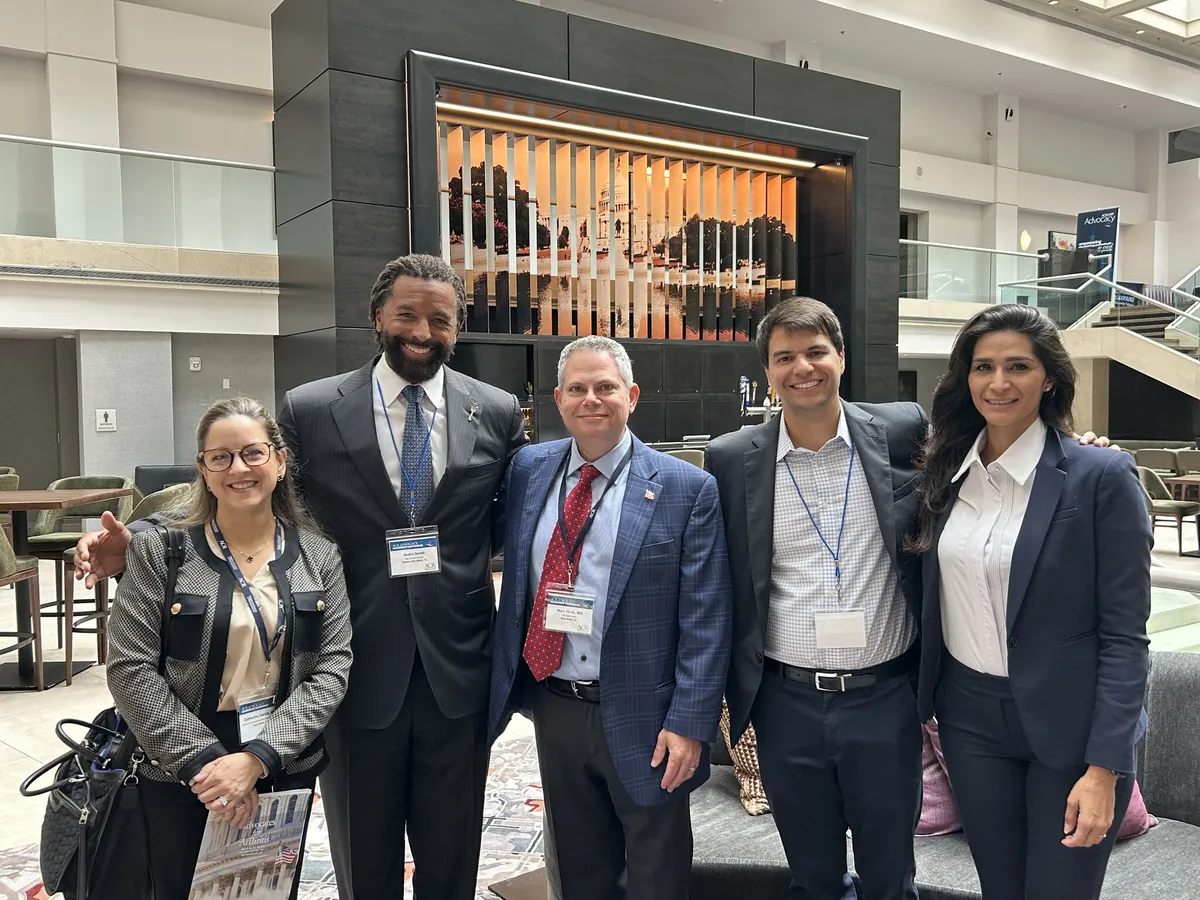
In May 2025, I had the honor of walking the halls of Congress. However, I was not there as a lobbyist. Instead, I was there advocating for rheumatology patients, for our providers and for the future of rheumatology care.
My trip was part of the American College of Rheumatology’s Advocacy Leadership Conference. There, I joined doctors, practice leaders and researchers in Washington, D.C. Together, we spoke with lawmakers about urgent threats to rheumatology care. I represented Bay Arthritis Institute and thousands of patients across Florida and beyond. Our message was clear. Healthcare should be fair, open and easy to access. Right now, it falls short.
We asked lawmakers to support two key bills that protect patients and their access to care:
These issues are personal. I’ve seen insurance drug lists and hidden “middlemen” deny patients the treatments their doctors prescribe. Often, it’s because steering care elsewhere earns third parties more money. I watched one patient, Dorothy, an assistant grocery store manager, struggle to pay for the only biologic that ever eased her rheumatoid arthritis. Her insurance changed the rules without warning or reason.
Dorothy’s story isn’t rare. It shows a broken system where policy, not medical judgment, too often decides patient care. That’s why I serve on the American College of Rheumatology’s Government Affairs Committee. I want to turn frustration into action and caring into new laws.
This isn’t just part of my job. It’s the right thing to do. As COO of Bay Arthritis Institute, I believe we must use our voice to protect people who are most at risk. That includes seniors facing Medicare changes, working families who can’t afford their medicine and small practices struggling with pay cuts.
Large health systems backed by private equity keep growing. Meanwhile, independent specialty practices like ours are disappearing. But our patients depend on us. They count on our steady care, our skill and our willingness to fight for them.
Advocacy is not just about policy. It’s about people. I’m proud to be their voice on Capitol Hill.
Let’s keep going. Let’s #Act4Arthritis and keep turning patient stories into policy change.
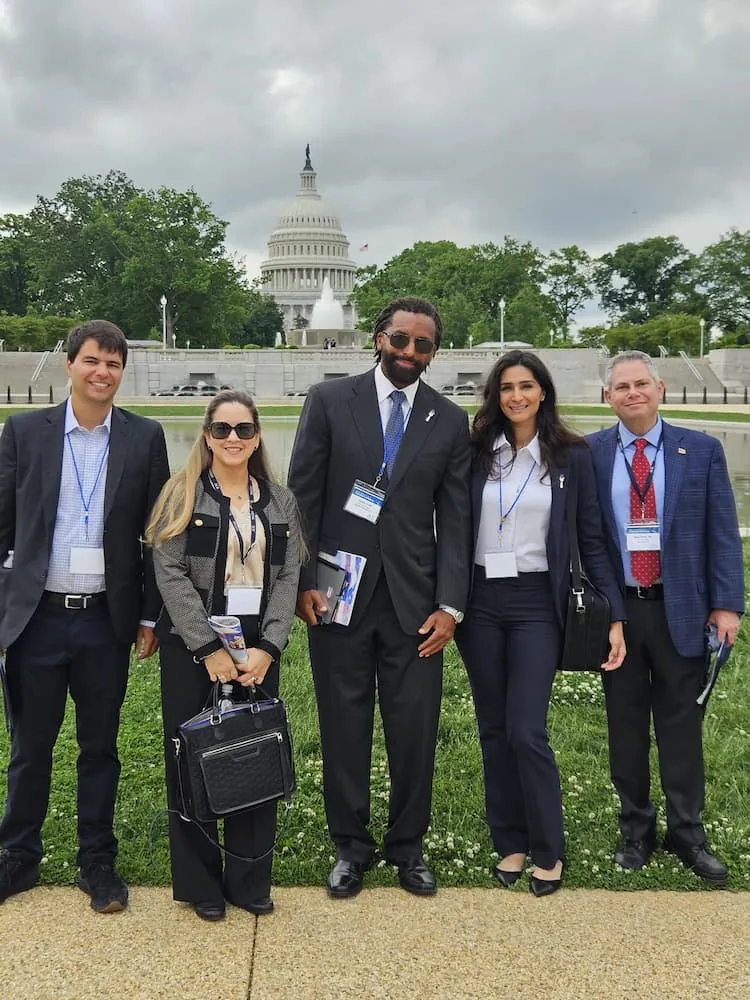
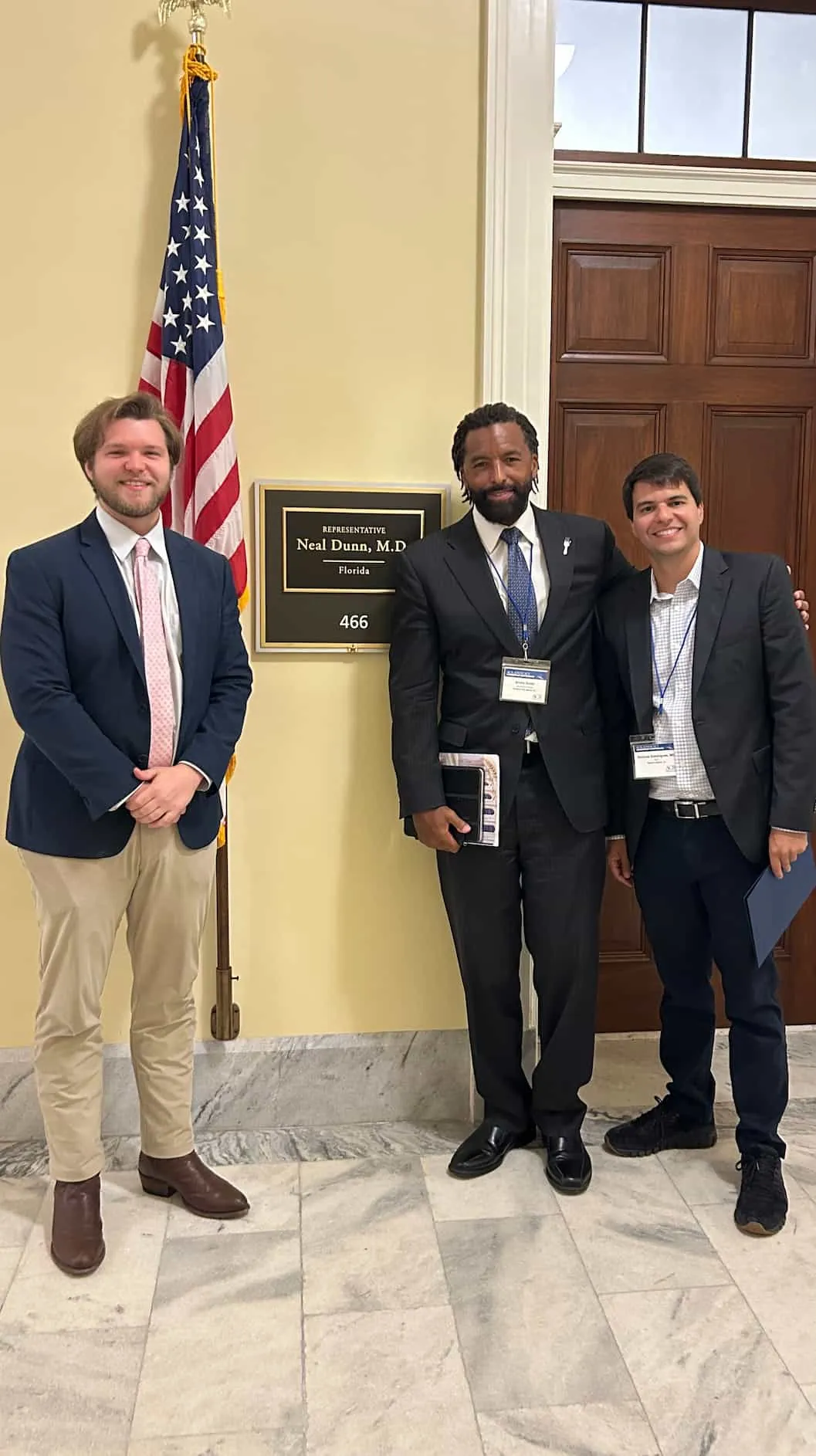

The Medicare Physician Fee Schedule was at the heart of the ACR’s message. This system sets how much Medicare pays providers for their services. Over the years, these payments have kept falling. That puts more and more money pressure on small, independent practices.
Many rheumatologists work in these community practices. There, personal relationships and care made for each patient come first. Bay Arthritis Institute is one of these practices. Andre told lawmakers about the challenges our practice faces under the current system. His story is like that of many other small practices. They are dealing with shrinking payments while trying to give patients the best personal care.
Andre explained that our focus has always been on strong, lasting relationships with patients and on meeting their needs. But outdated payment rules make it harder to stay independent. Without action soon, practices like ours could be bought by large systems backed by private equity. In those systems, the focus often moves from personal care to seeing as many patients as possible.
The ACR told lawmakers that these problems are more than numbers on a spreadsheet. They affect real patients and families who depend on practices like ours for expert, caring treatment. By pushing for fair pay, the ACR and advocates like Andre are working toward a future where patient-focused specialty care can thrive.
Pharmacy benefit managers, or PBMs, are often hidden players in drug prices. They stand between insurers, pharmacies and drug companies. As a result, they have a big say in which medicines patients can get and what they cost. But there’s a serious problem.
Many PBMs work with very little oversight. They use complex, hidden contracts that put their profits ahead of patients. They change drug lists and prices in ways that often make key medicines too costly or hard to get. This hurts people with long-term conditions like rheumatoid arthritis the most, because they need steady treatment.
Andre has seen these problems firsthand while helping our patients get their medicines. He and his team often fight for patients through confusing PBM rules and needless barriers. According to Andre, the current system isn’t just slow. It’s unfair. Patients shouldn’t have to delay treatment or settle for weaker options because of business decisions made behind closed doors.
In their meetings with lawmakers, ACR members, including Andre, called for more openness and fairness in how drugs get to patients. They stressed the need to change how PBMs work. That way, patients and providers can make informed choices without hidden costs or blocked medicines. They argued these changes are key to restoring trust and fairness in healthcare.
Advocacy is about more than naming problems. It’s about finding solutions that put people before profits. The ACR’s work on Capitol Hill reflects this. By focusing on fairness, openness and lasting change, they give a voice to people who often go unheard.
This mission means a lot to Andre, who knows what’s at stake. For our patients, good care and affordable medicine can mean the difference between managing their condition and living with needless pain. Andre’s work, along with the ACR’s, shines a light on the need for change that puts patients first.
The fight is not just for patients struggling today. It’s also for the next generation of patients and providers, so rheumatology care stays easy to reach and personal. By sharing our practice’s story with lawmakers, Andre showed the human side of these decisions and why action matters.
Still, the work doesn’t end when the meetings are over. The conversations that began on Capitol Hill now need more voices from patients, providers and the wider healthcare community. Building a better future for rheumatology care will take steady effort, and the ACR is ready for it.
You can help too. Stay informed about the policies that affect rheumatology care. Support groups like the ACR and community practices like ours. Advocates need patients and supporters behind them to make change happen. Read more in our post on Arthritis Awareness Month.
When providers and patients stand together, rheumatology care can stay easy to reach, effective and focused on each person’s needs. That’s a cause worth fighting for.
Published by Bay Arthritis Institute on May 15, 2025. This article is general information, not medical advice. Please talk with your provider about your own care.
What causes fibromyalgia? Learn the signs, the likely causes and 5 simple ways to cope with pain, fatigue and fibro fog. Read our guide.

Signs of lupus to watch for, how it's diagnosed and treated, and 7 simple tips for living well with lupus in sunny Panama City. Read on.

Scleroderma causes and symptoms explained: the 2 main types, how it affects skin and organs, and simple tips for living well. Read our guide.

Helping you overcome joint & muscle challenges to enjoy life fully.
Accessibility