
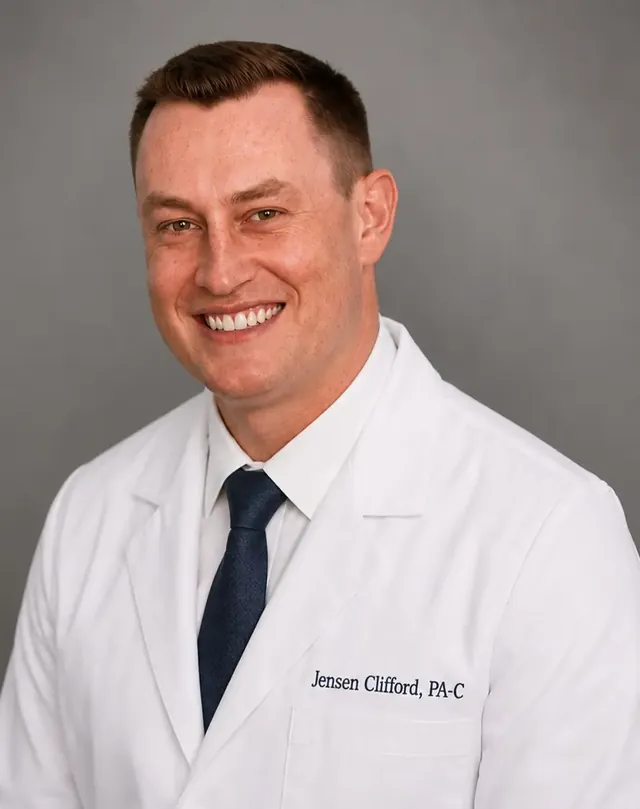
Jensen Clifford Joins Bay Arthritis Institute as a Physician Assistant
Physician assistant Jensen Clifford joins Bay Arthritis Institute. Meet the caring, certified PA-C who just joined our Panama City team.
New gout studies show what works: proven medicines, the right foods and 5 simple steps to prevent flare-ups and protect your joints.
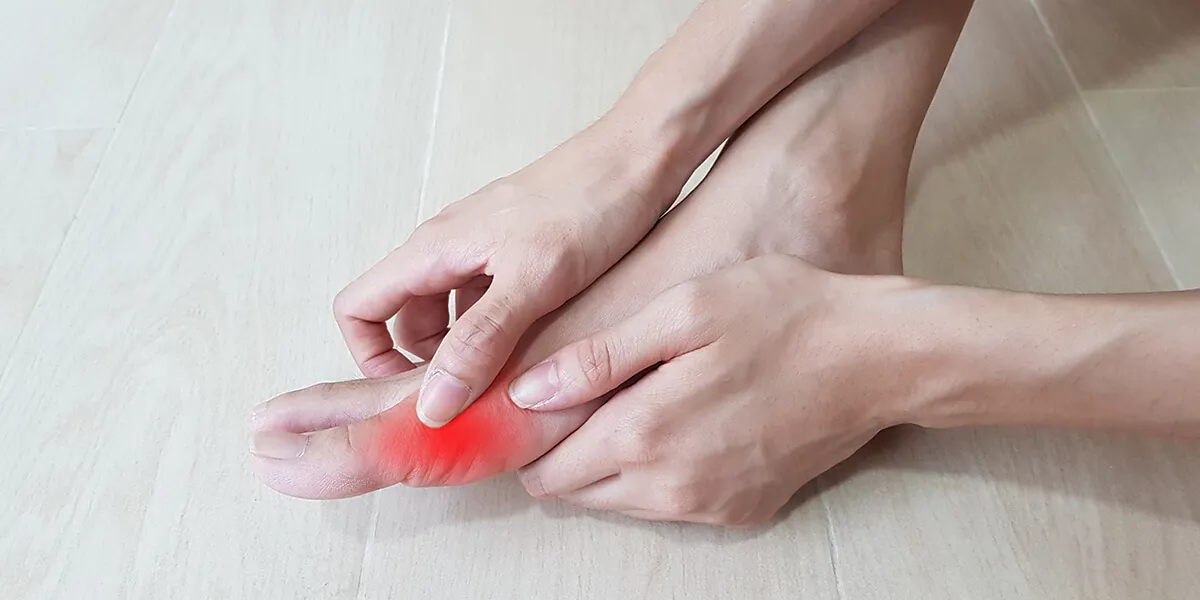
Gout is a painful type of inflammatory arthritis. It affects millions of people around the world, including many in Panama City, FL. It causes sudden, severe attacks of pain, redness and swelling in the joints, most often the big toe. Without good care, gout can really affect your life. The good news is that new gout studies show better ways to manage flares and protect your joints.
In this post, we share the latest findings, tips to prevent flares and ways to keep your joints healthy.
Gout happens when uric acid crystals build up in the joints. Normally, uric acid dissolves in the blood. Then it passes through the kidneys into the urine. But sometimes the body makes too much uric acid or doesn’t get rid of enough. Then the extra uric acid forms sharp crystals in the joints. These cause strong pain and swelling.
Common signs of gout include:
Most gout attacks happen in the big toe. However, gout can also affect the ankles, knees, elbows, wrists and fingers.
One of the biggest advances in gout care is the focus on keeping uric acid low over time. Research keeps showing that controlling uric acid is the key to preventing flares and long-term joint damage.
Recent studies show better results with medicines that lower uric acid. Allopurinol and febuxostat lower uric acid well and help prevent flares. In severe cases, when these aren’t enough, a newer drug called pegloticase can help.
Food plays a big role in gout. Recent studies confirm that foods high in purines can raise uric acid and trigger flares. Purines are found in some meats, seafood and alcohol.
Foods that can trigger gout include:
On the other hand, low-purine foods that fight swelling can help. Recent research points to plant-based diets and low-fat dairy.
Managing gout takes medicine, lifestyle changes and self-care. These steps can make attacks less frequent and less severe:
Water helps flush uric acid out of the body. This keeps it from forming crystals in the joints. Aim for at least eight glasses a day. This matters most during hot, humid Panama City summers, when losing fluids can raise the risk of a flare.
Extra weight is one of the main risk factors for gout. It puts more pressure on your joints and can raise uric acid. Regular activity and a healthy diet help you keep a healthy weight and lower your risk.
During a gout attack, a cold pack on the joint can lower swelling and ease pain. Use a cold pack or ice wrapped in a towel for 15 to 20 minutes, several times a day.
Taking your medicine as prescribed is one of the most important parts of gout care. It keeps your uric acid in check and helps prevent future flares.
Too much alcohol is a known gout trigger. If you drink, limit how much, especially beer, which raises uric acid. Moderation is key.
Without treatment, gout can cause long-term joint damage. It can even cause tophi, which are large lumps of uric acid crystals under the skin. So besides preventing flares, it’s important to protect your joints.
Stronger muscles around your joints take pressure off the joints themselves. Leg lifts, squats and resistance band exercises build stability without stressing your joints.
Gentle stretching keeps your joints moving and less stiff. Simple stretches, like ankle circles and wrist bends, can be done daily.
Some supplements may support joint health and lower swelling. Ask your doctor about fish oil, vitamin C and turmeric.
Managing gout takes lifestyle changes, medicine and an understanding of the latest research. By keeping up with new findings on medicines and diet, you can take control of gout and prevent flares.
At Bay Arthritis Institute, Dr. Amir Agha offers complete care for gout. Our team helps you manage pain, prevent flares and protect your joints, from medicine advice to physical therapy.
If gout is holding you back, read about our gout treatment in Panama City, or contact us to book a visit with Dr. Agha.
Published by Bay Arthritis Institute on November 1, 2024. This article is general information, not medical advice. Please talk with your provider about your own care.
Physician assistant Jensen Clifford joins Bay Arthritis Institute. Meet the caring, certified PA-C who just joined our Panama City team.
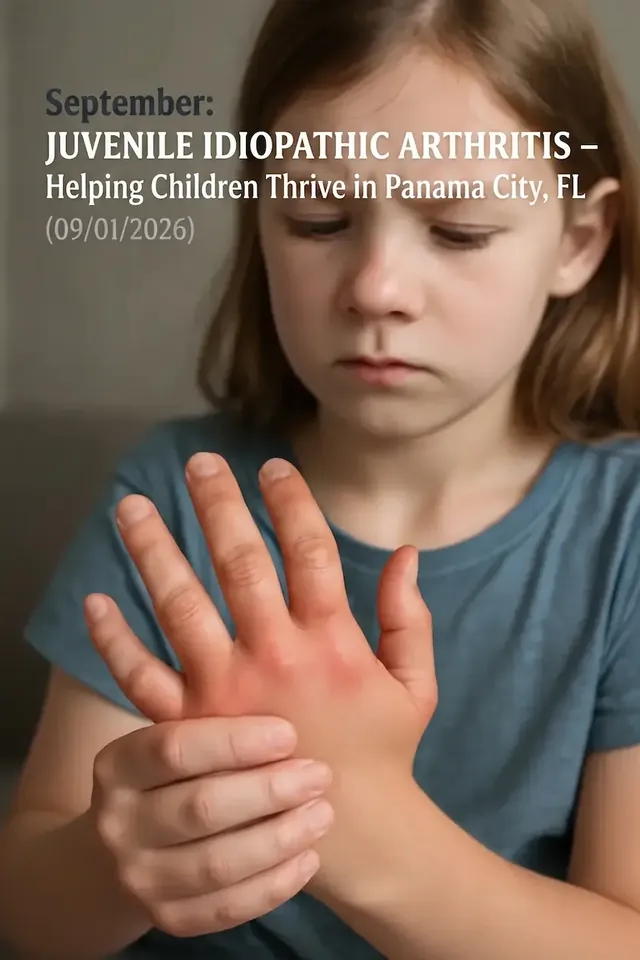
Juvenile idiopathic arthritis: the early signs, 3 main types, treatment and 6 practical tips that help children stay active. Read our guide.

Tamara Holland, physician assistant, joins our Panama City team. Meet the caring PA-C who listens first and puts patients at the center of care.

Helping you overcome joint & muscle challenges to enjoy life fully.
Accessibility