
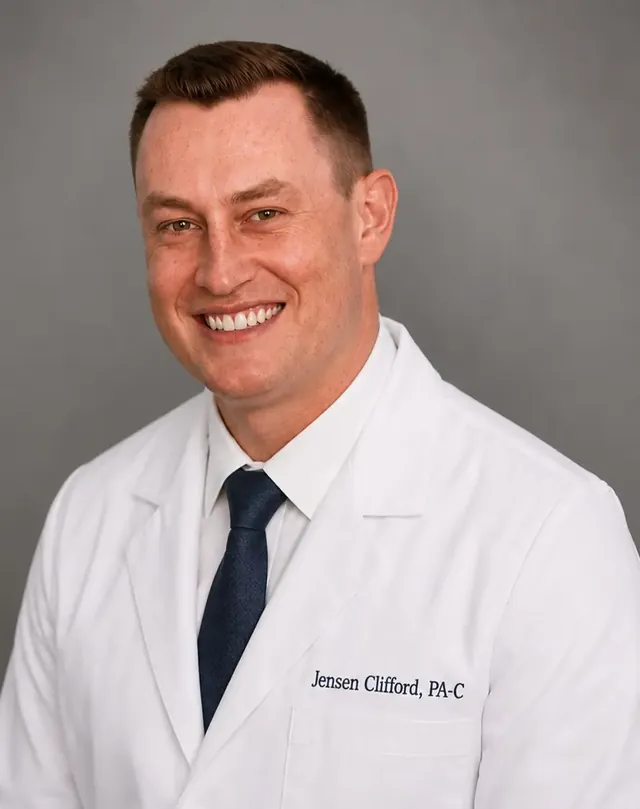
Jensen Clifford Joins Bay Arthritis Institute as a Physician Assistant
Physician assistant Jensen Clifford joins Bay Arthritis Institute. Meet the caring, certified PA-C who just joined our Panama City team.
Learn reactive arthritis causes: the 3 kinds of infection that trigger it, early signs and proven treatment from our expert rheumatologists.
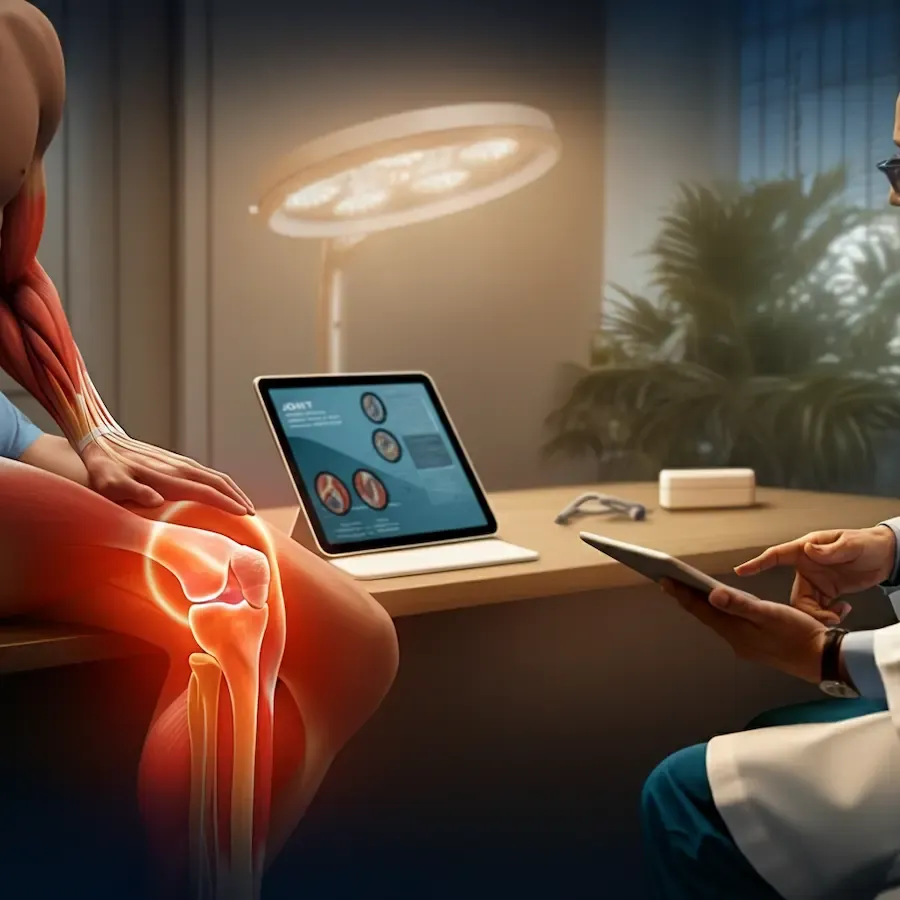
Reactive arthritis is fairly rare, but it can upset daily life. It causes joint pain and swelling. It often follows an infection somewhere else in the body, such as the urinary tract, gut or genitals. This post explains reactive arthritis causes, triggers, symptoms and treatment. It also shares where to find help in Panama City, FL.
Reactive arthritis is a type of arthritis that happens as a “reaction” to an infection. Unlike other kinds of arthritis, it doesn’t start in the joints. Instead, it’s the body’s response to germs somewhere else. It most often affects young adults, but it can happen at any age.
Reactive arthritis usually starts after an infection in the gut, the urinary tract or the genitals. Common bacteria behind these infections include:
Not everyone who gets these infections develops reactive arthritis. Genes seem to play a big part. A gene called HLA-B27 greatly raises the risk. About 60 to 80 out of 100 people with reactive arthritis have this gene.
An infection is the main trigger. Common examples include:
For more on causes and triggers, see the National Institute of Arthritis and Musculoskeletal and Skin Diseases page on reactive arthritis.
In a coastal town like Panama City, seafood is part of daily life. Food poisoning can come from seafood that isn’t stored well or from mixing raw and cooked foods. Safe food handling lowers your risk of the gut infections that can trigger reactive arthritis.
Symptoms usually appear 1 to 4 weeks after an infection. They often start mild but can get worse without care. Here are the key signs:
The Cleveland Clinic has a helpful list of reactive arthritis symptoms.
Symptoms can be mild or severe. That’s why early diagnosis matters.
Treatment aims to ease symptoms and treat the infection that started it. Here are the most common steps:
If you have a bacterial infection, antibiotics come first. Your provider may run tests to find the exact germ and choose the right antibiotic.
For worse symptoms, other options include:
Healthy habits help you manage symptoms, especially in Panama City’s warm, humid climate:
For more on treatment, see the Mayo Clinic’s page on reactive arthritis.
Our rheumatologists at Bay Arthritis Institute treat reactive arthritis and similar conditions. We build a plan for you that focuses on easing symptoms and helping you feel better.
To book a visit or ask a question, contact our office.
Get medical advice if you have any of the symptoms above, especially joint pain or swelling that doesn’t go away after an infection. Waiting too long can raise the risk of long-term arthritis.
With the right diagnosis and care plan, reactive arthritis can be managed. When you know the triggers and symptoms, you can take control of your health and prevent long-term problems.
If you have joint pain in Panama City, contact Bay Arthritis Institute for care that fits your needs. Don’t wait. Early care can make all the difference. You can also read about psoriatic arthritis causes, a related condition.
Published by Bay Arthritis Institute on August 1, 2026. This article is general information, not medical advice. Please talk with your provider about your own care.
Physician assistant Jensen Clifford joins Bay Arthritis Institute. Meet the caring, certified PA-C who just joined our Panama City team.
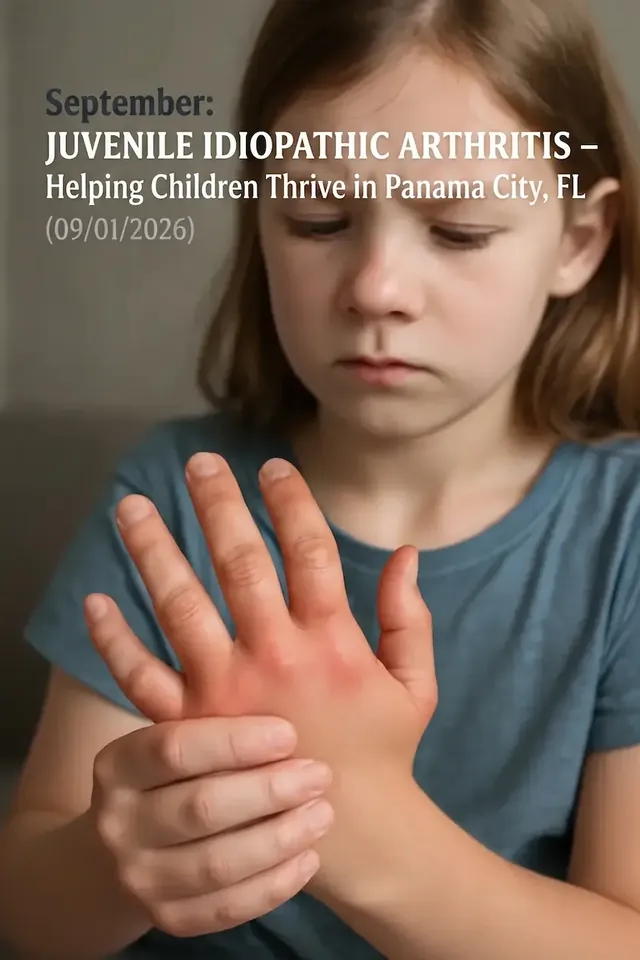
Juvenile idiopathic arthritis: the early signs, 3 main types, treatment and 6 practical tips that help children stay active. Read our guide.

Tamara Holland, physician assistant, joins our Panama City team. Meet the caring PA-C who listens first and puts patients at the center of care.

Helping you overcome joint & muscle challenges to enjoy life fully.
Accessibility