

Managing Polymyalgia Rheumatica Pain and Inflammation
Polymyalgia rheumatica pain and inflammation can ease. Learn the 3 main treatments, gentle exercises, foods and habits that help with PMR.
Understanding polymyalgia rheumatica: who gets it, 4 treatment types, gentle exercise, food and daily tips to ease PMR stiffness. Read on.
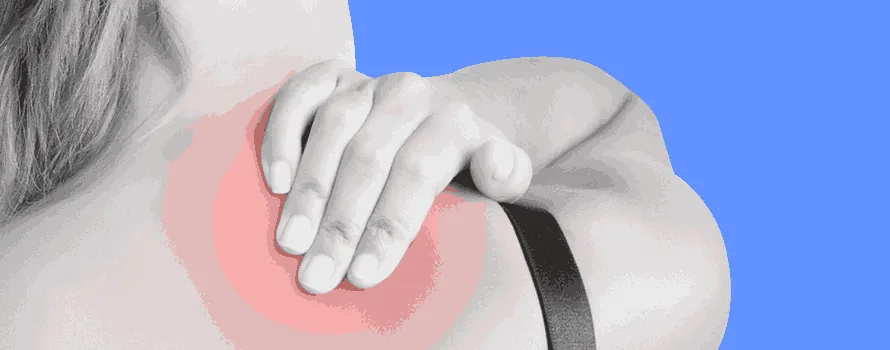
Many people in Panama City live with polymyalgia rheumatica (PMR). This guide is about understanding polymyalgia rheumatica and living well with it. PMR is an inflammatory condition. It causes muscle pain and stiffness, mostly in the shoulders, neck and hips. It affects thousands of Americans over 50. Whether you were just diagnosed or have had PMR for years, this guide offers practical help.
We’ll cover treatments, physical therapy, food and lifestyle changes that ease PMR symptoms. Let’s make this the month you take back control.
PMR doesn’t have to limit your life. The right mix of medical care, activity and good food can lower swelling, ease pain and help you stay independent.
According to the National Institutes of Health (NIH), PMR is an inflammatory disorder. It causes muscle pain and stiffness, mainly in the shoulders and hips. The National Institute of Arthritis and Musculoskeletal and Skin Diseases (NIAMS) notes that PMR usually affects adults over 50. Women are about twice as likely as men to get it.
NIH research shows that PMR often starts fast, sometimes over just a few days or weeks. No one knows the exact cause. Researchers think genes and outside factors both play a part.
There is good news in PMR care. Clinical trials are testing new options that may lower the need for steroids and their side effects.
Physical therapy plays a big role in easing PMR and keeping you mobile. Regular, safe exercise matters for people with PMR.
Local tip: Panama City’s warm climate, pools and the Gulf make water therapy a great choice all year.
Regular activity is key for PMR. The right exercise program can ease pain, build strength and help you feel better.
Keep your heart healthy without making PMR worse:
Local tip: Try a morning walk at St. Andrews State Park, when it’s cooler and joints feel less stiff.
Food can’t treat PMR on its own. Still, some foods may help lower swelling and support your health.
Studies have looked at several supplements for PMR:
Always ask your provider before you start a supplement, since some can affect PMR medicines.
Beyond medicine and exercise, these habits can help:
Stress can make inflammatory conditions like PMR worse:
Medical care, activity, good food and healthy habits work best together. With them, you can manage PMR and keep your quality of life. Research keeps moving forward, so better treatments are on the way.
At Bay Arthritis Institute in Panama City, FL, we help you manage PMR with proven methods. Read about our polymyalgia rheumatica treatment in Panama City, then contact us to plan your visit.
Published by Bay Arthritis Institute on September 1, 2025. This article is general information, not medical advice. Please talk with your provider about your own care.
Polymyalgia rheumatica pain and inflammation can ease. Learn the 3 main treatments, gentle exercises, foods and habits that help with PMR.

Physician assistant Jensen Clifford joins Bay Arthritis Institute. Meet the caring, certified PA-C who just joined our Panama City team.

Juvenile idiopathic arthritis: the early signs, 3 main types, treatment and 6 practical tips that help children stay active. Read our guide.

Helping you overcome joint & muscle challenges to enjoy life fully.
Accessibility