
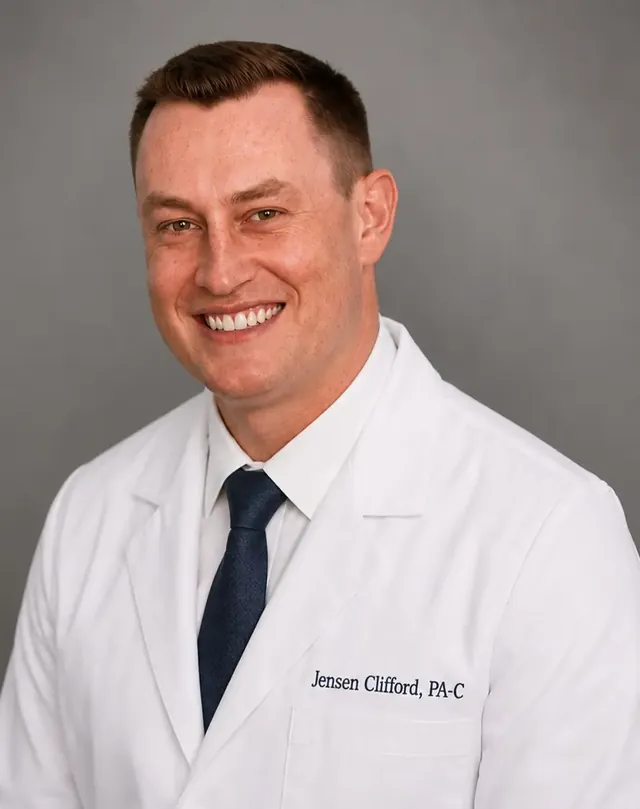
Jensen Clifford Joins Bay Arthritis Institute as a Physician Assistant
Physician assistant Jensen Clifford joins Bay Arthritis Institute. Meet the caring, certified PA-C who just joined our Panama City team.
Fibromyalgia chronic pain can ease. Learn the 3 FDA-approved medicines, gentle exercise, food, sleep and stress tips that help. Read on.

Summer can bring extra challenges for people with fibromyalgia. This guide explains fibromyalgia chronic pain and the tiredness that comes with it. It also shares the latest ways to manage both. Whether you were just diagnosed or have had it for years, these steps can help you feel better. In Panama City, FL, you can find treatment, lifestyle tips and self-care that ease symptoms.
We’ll cover medicines, physical therapy, food and stress control. Let’s make July the month you start to feel more comfortable.
Fibromyalgia doesn’t mean you have to give in to constant pain and tiredness. The right mix of medical care, lifestyle changes and self-care can ease symptoms and help you feel well.
According to the National Institutes of Health (NIH), fibromyalgia affects about 4 million adults in the United States. It causes pain all over, poor sleep, tiredness and often trouble thinking. NIH research shows that fibromyalgia changes how the brain and spinal cord handle pain.
Researchers at the National Institute of Arthritis and Musculoskeletal and Skin Diseases (NIAMS) found that people with fibromyalgia are more sensitive to pain signals. Their brains also process these signals differently. Knowing this has led to more targeted treatments.
There are good options for treating fibromyalgia. Ask your provider which ones fit your symptoms best:
Physical therapy is key for fibromyalgia. A plan made for you can help you do more, hurt less and have more energy.
Regular activity helps fibromyalgia, but the right approach matters. NIH research shows that the right exercise can lower pain sensitivity and help you function better.
Local tip: Panama City’s warm weather and beaches are perfect for a gentle morning walk before the heat sets in.
Food plays an important role. The NIH notes that no diet cures fibromyalgia. Still, some food choices may lower swelling and raise your energy.
Some research suggests certain people with fibromyalgia may feel better after finding their own food sensitivities. Do this with an elimination diet under a doctor’s care.
More research is needed. Still, some supplements show promise:
Many people with fibromyalgia have low vitamin D. For those with low levels, a supplement may ease pain.
This mineral helps muscles work. It may ease muscle pain and improve sleep.
Some studies suggest CoQ10 may ease pain and tiredness by helping cells make energy.
Always ask your provider before you start a supplement, since some can affect your medicines.
According to the NIH, poor sleep makes fibromyalgia worse, and that creates a hard cycle. Good sleep habits help break it:
Simple changes can make a big difference:
NIH research confirms that stress makes fibromyalgia worse. Try these ways to lower stress:
Balancing activity with rest can help prevent flares:
NIH-supported studies show that CBT helps people build skills to cope with pain and tiredness. As a result, quality of life improves.
Medical care, activity, good food and healthy habits work best together. With them, you can manage fibromyalgia and improve your quality of life. Progress often comes slowly, so be patient with yourself.
At Bay Arthritis Institute in Panama City, FL, we help you manage fibromyalgia with proven methods. Read about our fibromyalgia treatment in Panama City, then contact us to plan your visit.
You may also like: Managing Polymyalgia Rheumatica Pain and Inflammation
Published by Bay Arthritis Institute on July 1, 2025. This article is general information, not medical advice. Please talk with your provider about your own care.
Physician assistant Jensen Clifford joins Bay Arthritis Institute. Meet the caring, certified PA-C who just joined our Panama City team.
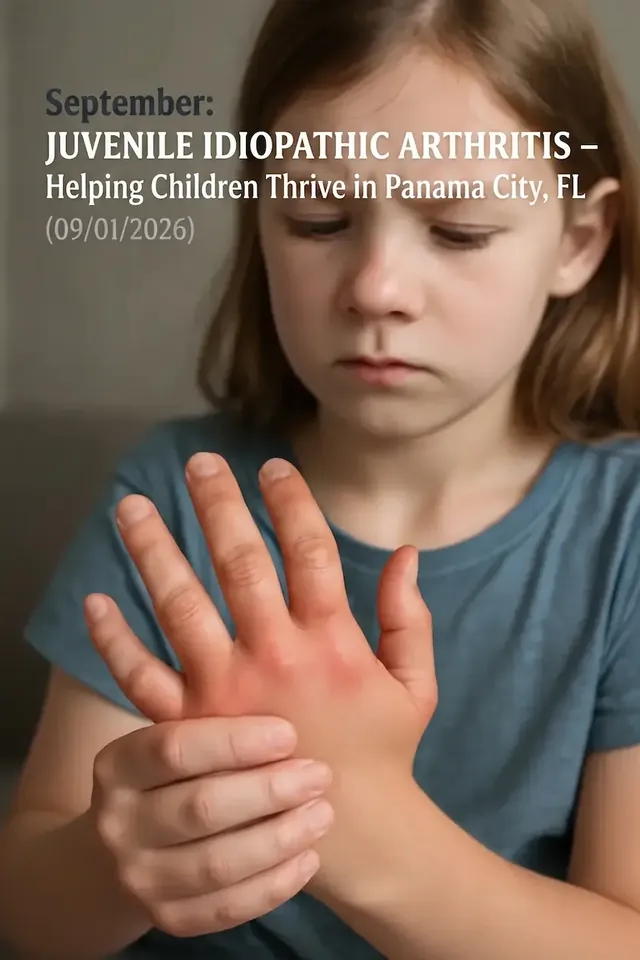
Juvenile idiopathic arthritis: the early signs, 3 main types, treatment and 6 practical tips that help children stay active. Read our guide.
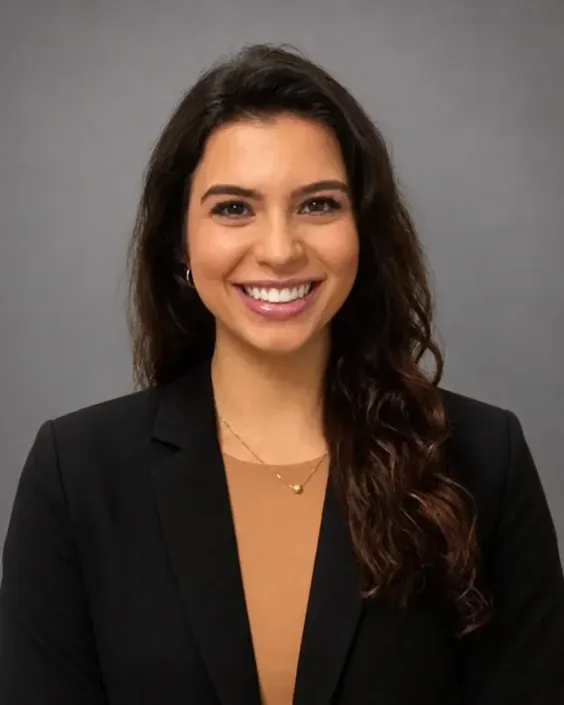
Tamara Holland, physician assistant, joins our Panama City team. Meet the caring PA-C who listens first and puts patients at the center of care.

Helping you overcome joint & muscle challenges to enjoy life fully.
Accessibility